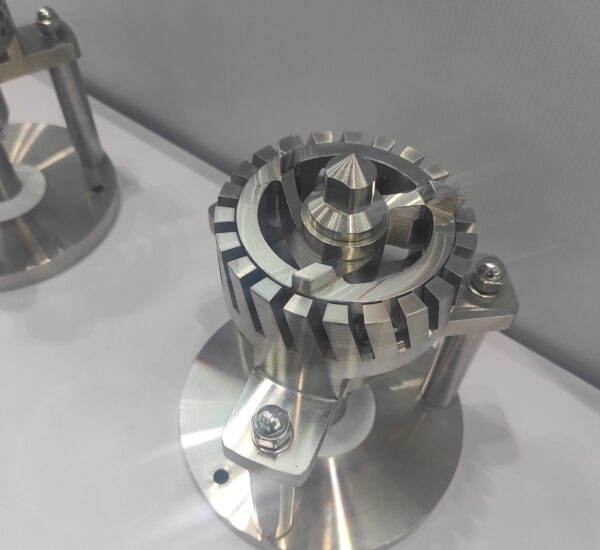
Multi-Stage Top Entry Homogenizer
A multi-stage top entry homogenizer carries two or three rotor-stator stages stacked on the same shaft, applying progressively higher shear at each stage as material passes through in sequence. This allows finer particle and droplet size targets to be achieved in fewer recirculation passes compared to single-stage designs, reducing overall batch processing time in pharmaceutical, cosmetic, and food applications.
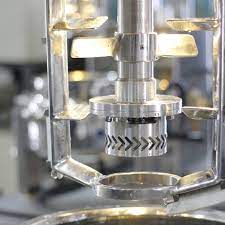
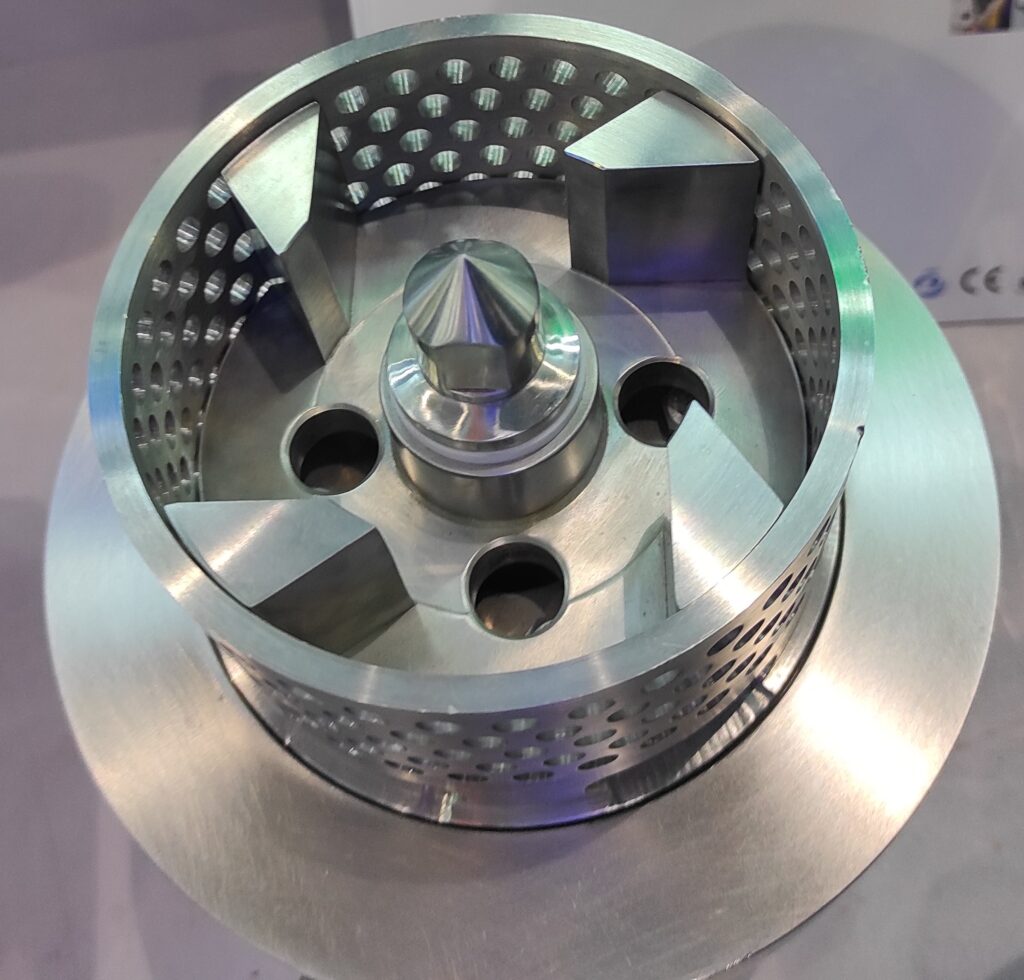
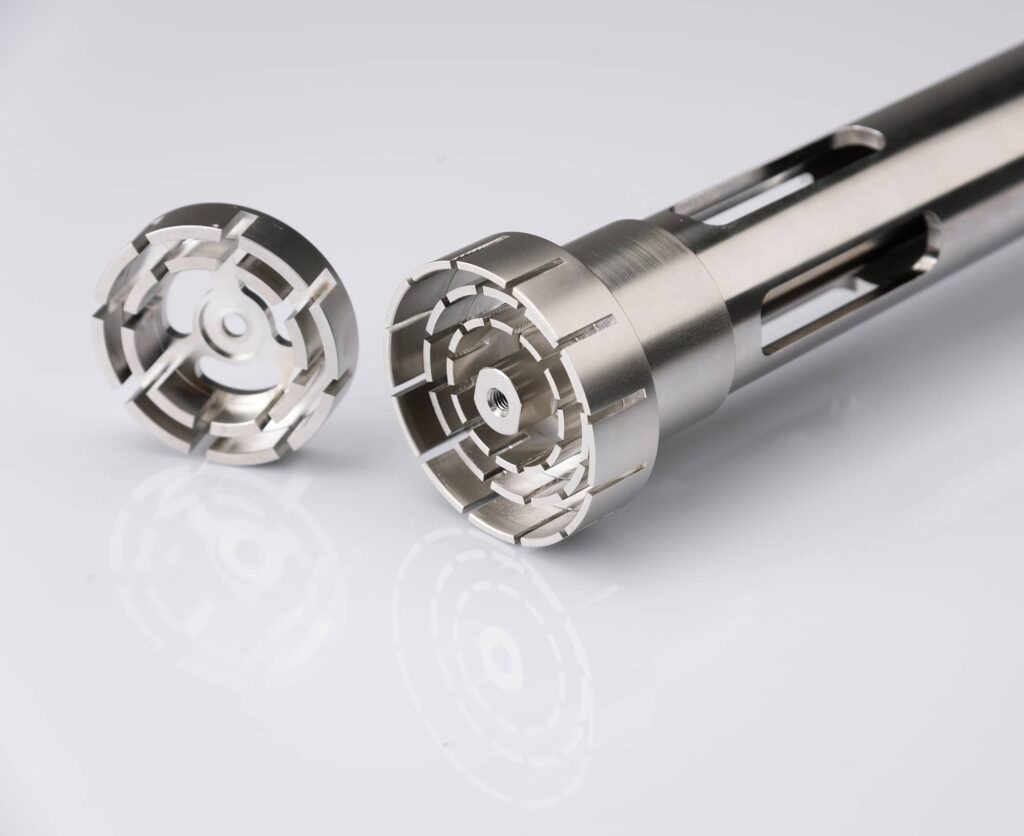
A multi-stage top entry homogenizer carries two or three rotor-stator stages stacked on the same shaft, applying progressively higher shear at each stage as material passes through in sequence. This allows finer particle and droplet size targets to be achieved in fewer recirculation passes compared to single-stage designs, reducing overall batch processing time in pharmaceutical, cosmetic, and food applications.
Challenges
Increased Mechanical Load on Shaft and Seal
Multiple stacked stages increase the weight and drag on the cantilever shaft, placing higher bending and torsional loads on the mechanical seal and upper bearing compared to single-stage designs.
Stage Gap Maintenance After CIP
Reassembling multiple rotor-stator stages to correct gap tolerances after in-place cleaning or disassembly requires precision, with incorrect gap settings compromising shear performance at one or more stages.
Higher Power Demand
The cumulative resistance of multiple rotor-stator stages increases motor power requirement compared to single-stage operation at equivalent speed, requiring appropriate drive sizing during equipment specification.
Heat Accumulation Across Stages
Each stage contributes additional heat to the batch, and without adequate vessel cooling the cumulative temperature rise can exceed acceptable limits for thermally sensitive formulations before target particle size is reached.
Solutions
- Reinforced Shaft and Bearing Assembly: Specifying an oversized shaft diameter and heavy-duty upper bearing for multi-stage configurations reduces deflection and extends mechanical seal service life under the higher loads imposed by stacked workheads.
- Modular Stage Design for Independent Inspection: Workheads with individually removable stage elements allow each rotor-stator gap to be inspected and verified independently after reassembly, confirming correct clearance before returning to production.
- Drive Motor Sized to Multi-Stage Power Demand: Selecting the drive motor based on the combined power demand of all stages at maximum viscosity ensures the motor operates within its continuous duty rating throughout the batch cycle.
- Enhanced Vessel Jacket Cooling Capacity: Increasing jacket cooling water flow rate or specifying a higher-capacity external cooler compensates for the greater heat input from multiple stages, maintaining batch temperature control throughout processing.
Applications
- Pharmaceutical Sterile Emulsion and Nanosuspension Production: Achieving sub-5 µm droplet and particle size targets in sterile emulsions and API nanosuspensions within GMP batch vessels in fewer processing passes than single-stage homogenisation.
- Cosmetic Nanoemulsion and High-SPF Sunscreen Manufacturing: Production of fine-droplet nanoemulsion serums and sunscreen formulations requiring consistent sub-5 µm droplet size for product stability, skin feel, and SPF performance.
- Food Homogenised Dairy and High-Fat Emulsion Processing: Batch homogenisation of dairy-based products and high oil-phase food emulsions where consistent fine droplet size distribution is required for product stability and texture.
- Nutraceutical Bioavailability-Enhanced Emulsion Production: Batch emulsification of oil-soluble bioactives including omega-3 fatty acids and fat-soluble vitamins into stable fine-droplet emulsion bases for supplement and functional food applications.