
Contained / HPAPI Cone Mill — OEB 3–5 (Split Butterfly Valve / RTP)
A contained HPAPI cone mill is a fully enclosed conical impeller-screen size reduction system achieving operator exposure below 1 µg/m³ (OEB 5) during all operations — charging, milling, screen change, and discharge — through split butterfly valve (SBV) or rapid transfer port (RTP) inlet/outlet connections, HEPA-filtered negative pressure housing (−30 to −50 Pa differential), and glove-port screen access. Processing 5–4,000 kg/h with screen apertures of 0.5–8 mm across pilot to large-production scales, it delivers the same particle size performance as a standard cone mill while maintaining validated OEB 3–5 containment at every step of every batch throughout the campaign.
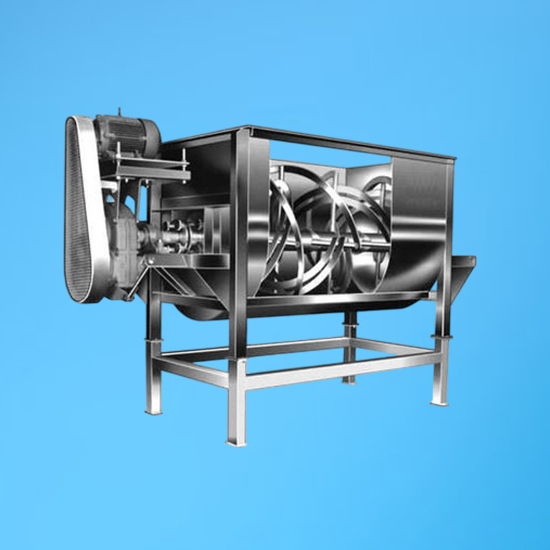
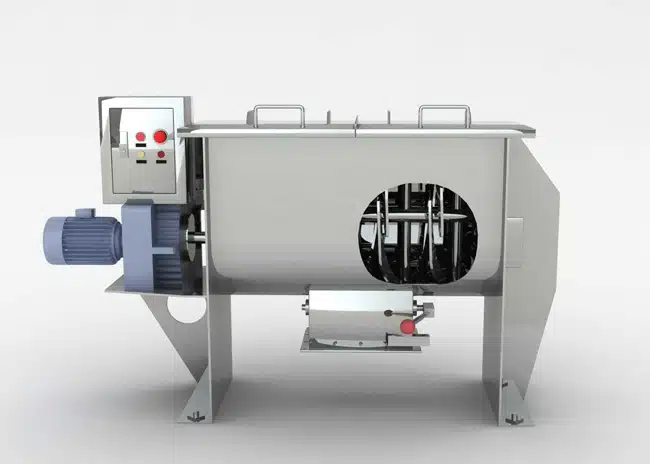
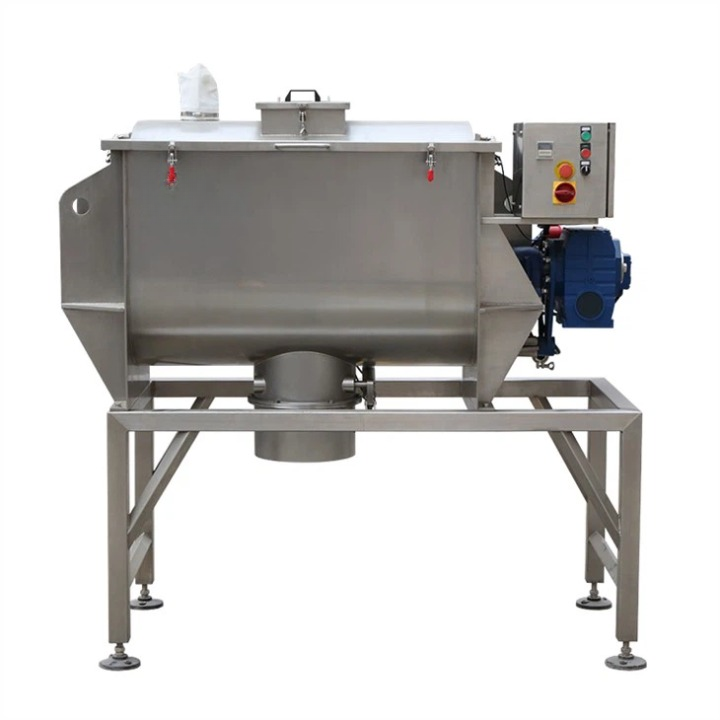
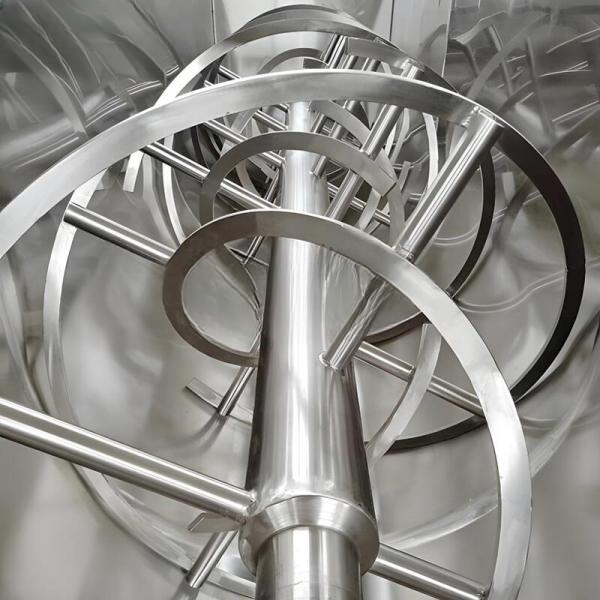
A contained HPAPI cone mill is a fully enclosed conical impeller-screen size reduction system achieving operator exposure below 1 µg/m³ (OEB 5) during all operations — charging, milling, screen change, and discharge — through split butterfly valve (SBV) or rapid transfer port (RTP) inlet/outlet connections, HEPA-filtered negative pressure housing (−30 to −50 Pa differential), and glove-port screen access. Processing 5–4,000 kg/h with screen apertures of 0.5–8 mm across pilot to large-production scales, it delivers the same particle size performance as a standard cone mill while maintaining validated OEB 3–5 containment at every step of every batch throughout the campaign.
Powder is charged into the cone mill housing through a closed SBV or RTP connection — the inlet valve opens only after the charging vessel is docked and a positive mechanical interlock confirms zero open gap. The housing is maintained at −30 to −50 Pa relative to the surrounding room by a local exhaust ventilation (LEV) system with HEPA filter — any minor seal imperfection draws air inward rather than allowing product to escape outward. The conical impeller rotates (25–3,000 RPM, VFD) forcing product through the conical screen; sized product discharges through a second SBV or RTP connection directly into a contained receiving vessel below. Screen change and impeller access are performed through integrated glove ports without breaking containment — pressure-tested gauntlet gloves are integrity-tested before every shift. All operations are logged by PLC for 21 CFR Part 11 electronic batch record compliance.
Challenges
Containment Breach at Charging Inlet During SBV Docking Sequence
Improper docking sequence of SBV creates a brief open gap — powder release at dock point.
Screen Change Under Containment via Glove Port (Limited Access and Torque)
Changing a conical screen through a glove port restricts operator reach and torque application — screen partially seated.
Negative Pressure Loss During High-Speed Impeller Operation
Impeller rotation generates local positive pressure at the outlet — competing with LEV negative pressure.
HEPA Filter Loading from High API Dust Generation During Long Campaigns
Fine API dust accumulates on HEPA filter during extended processing campaigns — differential pressure rises.
Cross-Contamination Validation Between HPAPI Product Changeovers
Residual HPAPI on screen mesh, impeller root, and housing interior requires fully validated CIP protocol.
Solutions
- Mechanical Double-Interlock SBV Docking (Cannot Open Until Docked and Confirmed): Pneumatic interlock prevents inlet valve opening until vessel flange is fully seated and pressure-tested.
- Torque-Assist Glove-Port Screen Tool (Ratchet Wrench, 400 mm Extended Handle): Ergonomic torque tool fits through standard 150 mm glove port — correct screen seating confirmed by click indicator.
- Counterbalance Positive Pressure Relief Valve on Mill Outlet: Spring-loaded relief valve on outlet housing counteracts impeller-generated positive pressure — LEV ΔP maintained.
- Differential Pressure Alarm on HEPA Filter (Alarm at 150 Pa, Stop at 250 Pa): PLC monitors HEPA ΔP continuously — campaign interrupted and filter replaced before containment is compromised.
- Validated CIP-in-Place Protocol with TOC and HPLC Wipe Test per Product: Dedicated CIP spray lance enters through glove port; TOC and HPLC wipe test validates each surface to <10 ppm.
Applications
- Pharmaceutical (Cytotoxic): Oncology API cone milling — OEB 5 (<1 µg/m³) validated; all operations fully closed.
- Pharmaceutical (Hormonal): Hormonal and endocrine compound granule sizing — strict operator exposure control throughout.
- Pharmaceutical (Potent): OEB 4 (<10 µg/m³) API granule de-lumping and sizing — SBV charging and discharge.
- Pharmaceutical (General): High-value API intermediate sizing where product loss during open transfer is unacceptable.
- Research & Development: HPAPI feasibility milling trials at gram scale — contained lab cone mill with glove box integration.
Models & Capacities
| Type 3 — Contained / HPAPI Cone Mill: Models & Capacities | |||||||||||||
|---|---|---|---|---|---|---|---|---|---|---|---|---|---|
| Model | Scale | Throughput[kg/h] | Screen Aperture[mm] | Screen Area[cm²] | Impeller Speed[RPM] | Motor[kW] | ContainmentOEB Level | InletConnection | OutletConnection | Cone Ø[mm] | |||
| CM-HP-S4 | Lab/Pilot | 5–50 | 0.5–5 | 120 | 300–3,000 VFD | 0.75 | OEB 3–5 | SBV DN 100 | SBV DN 100 | Ø157 | |||
| CM-HP-S7 | Pilot | 20–150 | 0.5–5 | 220 | 200–2,500 VFD | 1.1 | OEB 3–5 | SBV DN 140 | SBV DN 140 | Ø220 | |||
| CM-HP-U5 | Pilot | 50–300 | 0.5–8 | 450 | 150–2,000 VFD | 2.2 | OEB 3–5 | SBV DN 200 | SBV DN 200 | Ø320 | |||
| CM-HP-U10 | Production | 100–600 | 0.5–8 | 850 | 100–1,500 VFD | 4.0 | OEB 3–5 | SBV DN 280 | SBV DN 280 | Ø450 | |||
| CM-HP-U20 | Production | 200–1,200 | 0.5–8 | 1,650 | 80–1,200 VFD | 7.5 | OEB 4–5 | SBV DN 380 | SBV DN 380 | Ø600 | |||
| CM-HP-U30 | Production | 400–2,500 | 0.5–8 | 2,600 | 60–1,000 VFD | 11 | OEB 4–5 | SBV DN 480 | SBV DN 480 | Ø750 | |||
| CM-HP-U50 | Production | 700–4,000 | 0.5–8 | 4,000 | 50–800 VFD | 15 | OEB 4–5 | RTP/SBV DN 600 | RTP/SBV DN 600 | Ø950 | |||