
Micro Ingredient Batching Station
A micro ingredient batching station groups multiple micro feeders around one or more precision weigh hoppers, dispensing each recipe component sequentially or in parallel to gram-level accuracy. It automates the weighing room, replacing manual scoop-and-scale dispensing of minor ingredients with recorded, recipe-driven batches from 0.5 to 50 kg.
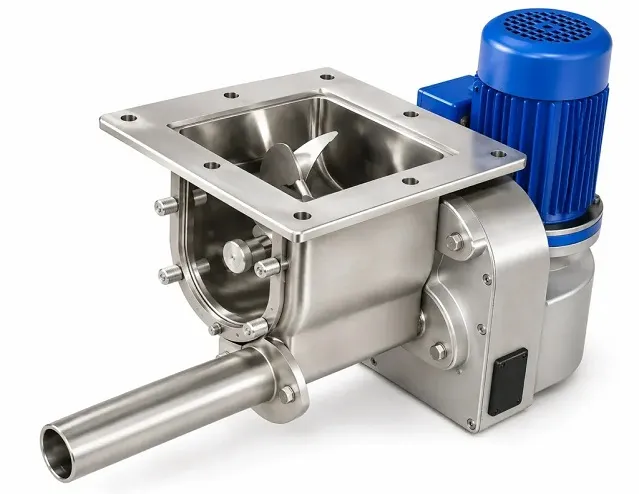
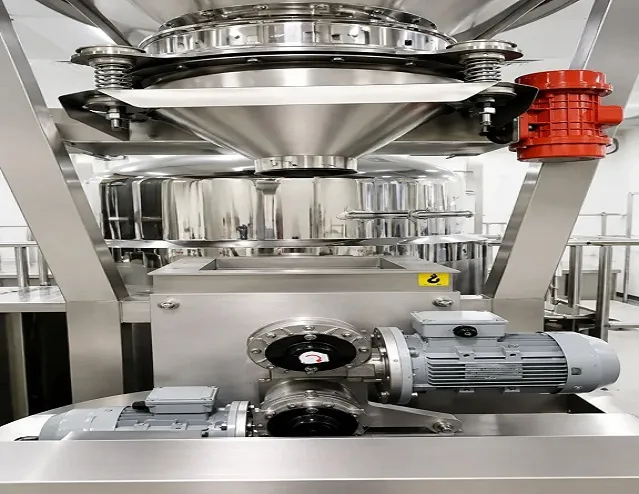
A micro ingredient batching station groups multiple micro feeders around one or more precision weigh hoppers, dispensing each recipe component sequentially or in parallel to gram-level accuracy. It automates the weighing room, replacing manual scoop-and-scale dispensing of minor ingredients with recorded, recipe-driven batches from 0.5 to 50 kg.
The PLC calls the active recipe, and each feeder doses its component into the weigh hopper in coarse-then-fine sequence: high rate to near target, then dribble feed to the exact weight with in-flight compensation learned per ingredient. Completed batches discharge into a bin, bag, or conveying line, and every dispensed weight is recorded against the batch record for full traceability.
Challenges
In-Flight Material Overshooting Target
Powder already falling when the feeder stops lands after cutoff, overshooting the target weight.
Cross-Contamination Between Recipe Components
Shared weigh hoppers and discharge paths carry allergen and active residues between components and recipes.
Cumulative Error Across Many Components
Small errors on each of twelve components can stack into an out-of-specification total recipe.
Throughput Limits of Sequential Dosing
Dosing many components one after another into a single hopper caps batches per hour.
Manual Additions Outside the Record
Hand-added components bypass the automatic record, breaking batch traceability.
Solutions
- Learned In-Flight Compensation per Ingredient: The controller measures each ingredient's in-flight mass and advances cutoff accordingly, landing on target within the scale resolution.
- Dedicated Feeder-to-Hopper Assignments with Wash Steps: Assigning allergen and active components to dedicated feeders and hoppers, with validated cleaning between recipe families, controls carryover.
- Per-Component Tolerance with Batch-Level Check: Individual tolerance windows plus a final gross-weight verification gate reject any stack-up before discharge.
- Multiple Weigh Hoppers in Parallel Zones: Splitting the recipe across two or more hoppers dosing in parallel multiplies station throughput.
- Barcode-Verified Manual Add Station: A supervised manual add position with barcode verification and its own scale writes hand additions into the same batch record.
Applications
- Feed Mill Micro Premix Batching: Automated dispensing of vitamins, amino acids, and medications into feed premixes.
- Bakery and Snack Recipe Dispensing: Batch weighing of improvers, enzymes, and minor ingredients for production orders.
- Pharma Dispensary Automation: Recorded dispensing of excipient minors supporting electronic batch records.
- Detergent Minor Component Batching: Automatic batching of enzymes, brighteners, and perfume carriers.
- Rubber and Chemical Small-Component Weighing: Gram-accurate chemical small-weighing for compounding recipes.
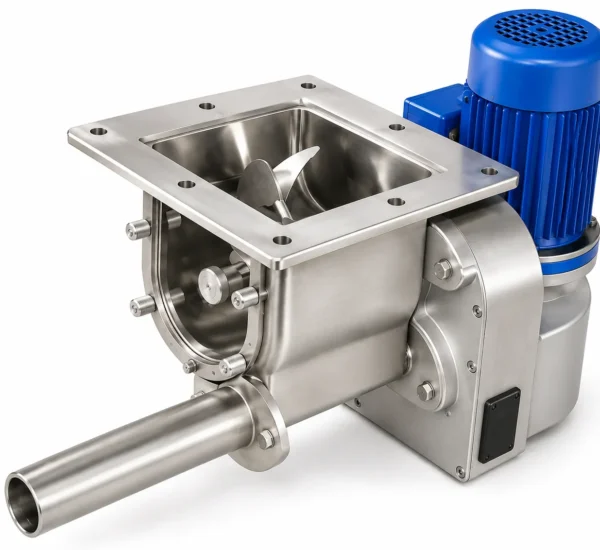
Model Range and Capacity: JBM-MF-B Series
Basis: Coarse/fine dosing with in-flight compensation, verification gate before discharge, SS 316L contact.
| Model | No. of Feeders | Batch Size (kg) | Weighing Accuracy | Weigh Hopper (L) | Recipe Capacity | Contact Material |
|---|---|---|---|---|---|---|
| JBM-MF-B4 | 4 | 0.5 – 10 | +/- 2 g | 30 | 50 recipes | SS 316L |
| JBM-MF-B8 | 8 | 1 – 25 | +/- 2 g | 60 | 200 recipes | SS 316L |
| JBM-MF-B12 | 12 | 2 – 40 | +/- 5 g | 100 | 500 recipes | SS 316L |
| JBM-MF-B16 | 16 | 5 – 50 | +/- 5 g | 150 | 1000 recipes | SS 316L |