
Sanitary / Hygienic Inline Homogeniser (3-A / EHEDG Certified)
A sanitary inline homogeniser is a GMP-certified, 3-A and EHEDG-compliant rotor–stator system in electropolished SS 316L (Ra <0.8 µm internally, Ra <1.6 µm externally) with Tri-Clamp connections, CIP/SIP-validated design (121°C SIP, 10 bar), and self-draining dead-leg-free geometry — providing inline emulsification, dispersion, and homogenisation at 0.1–30 m³/h for pharmaceutical, dairy, and food GMP facilities requiring validated hygienic cleaning between every batch and full compliance with 21 CFR Part 110/211 and EU GMP Annex 1.
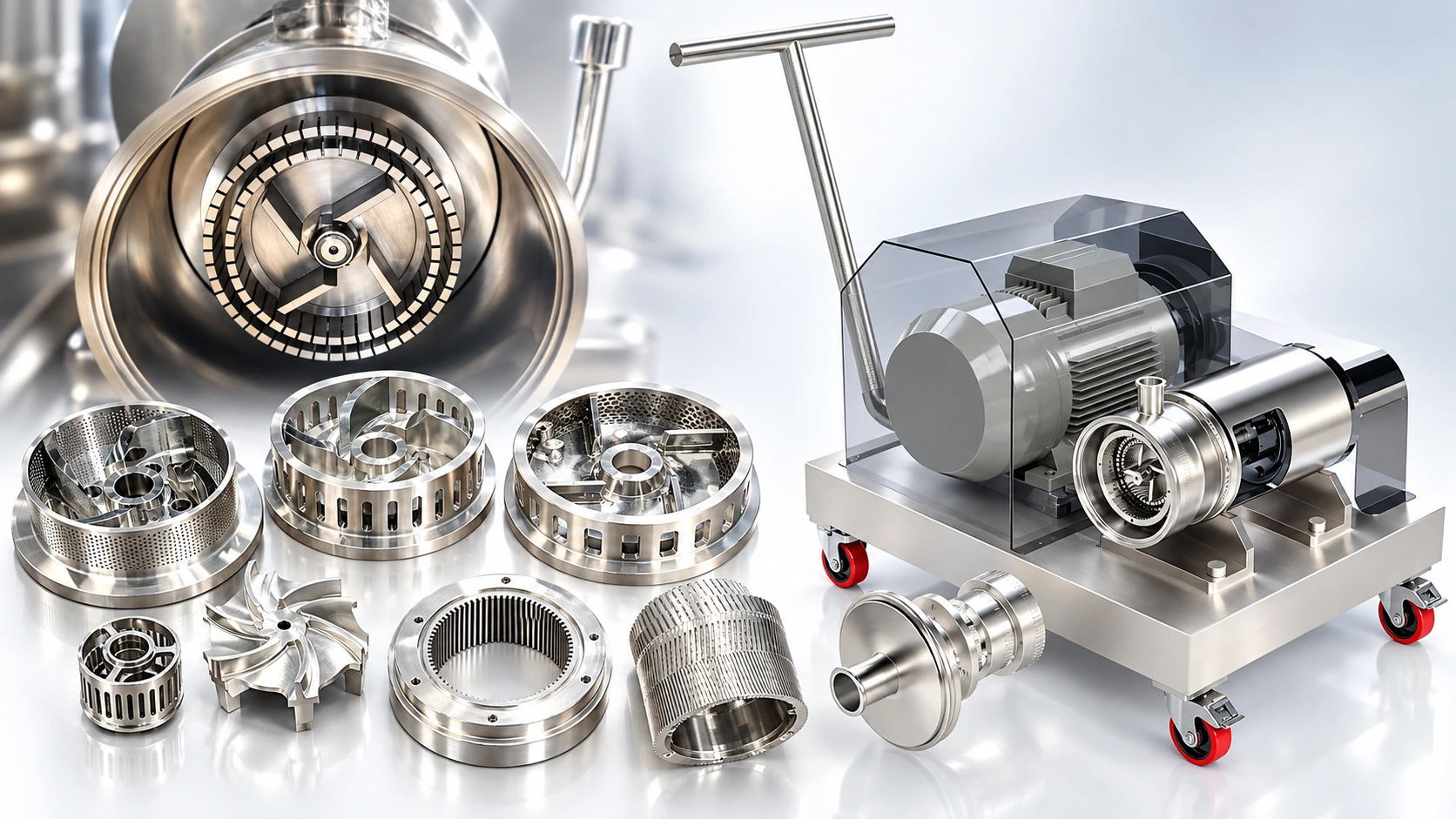
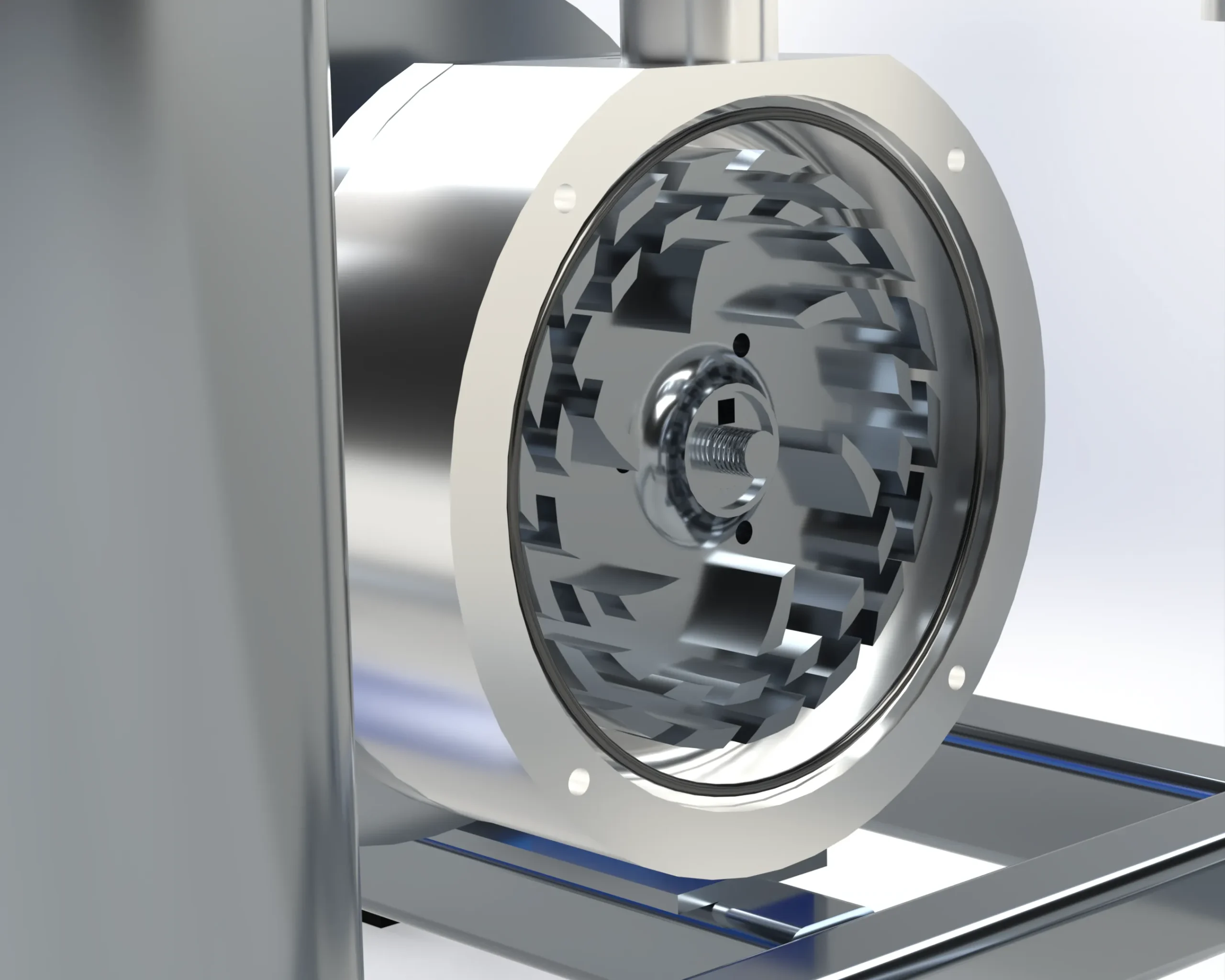
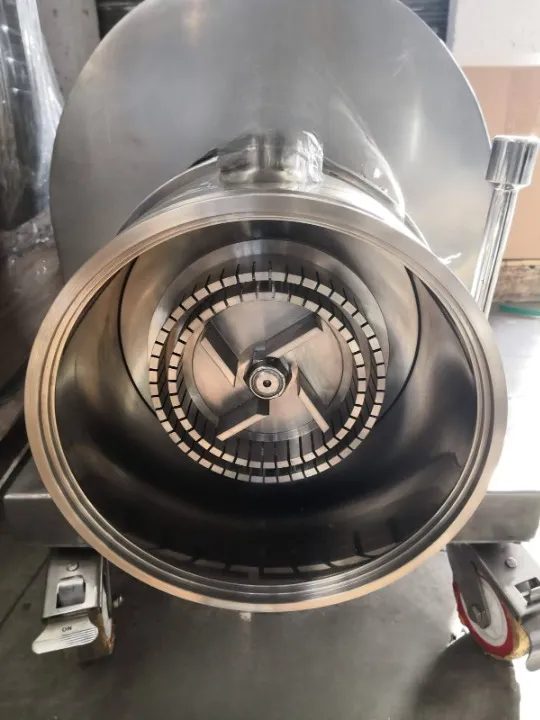
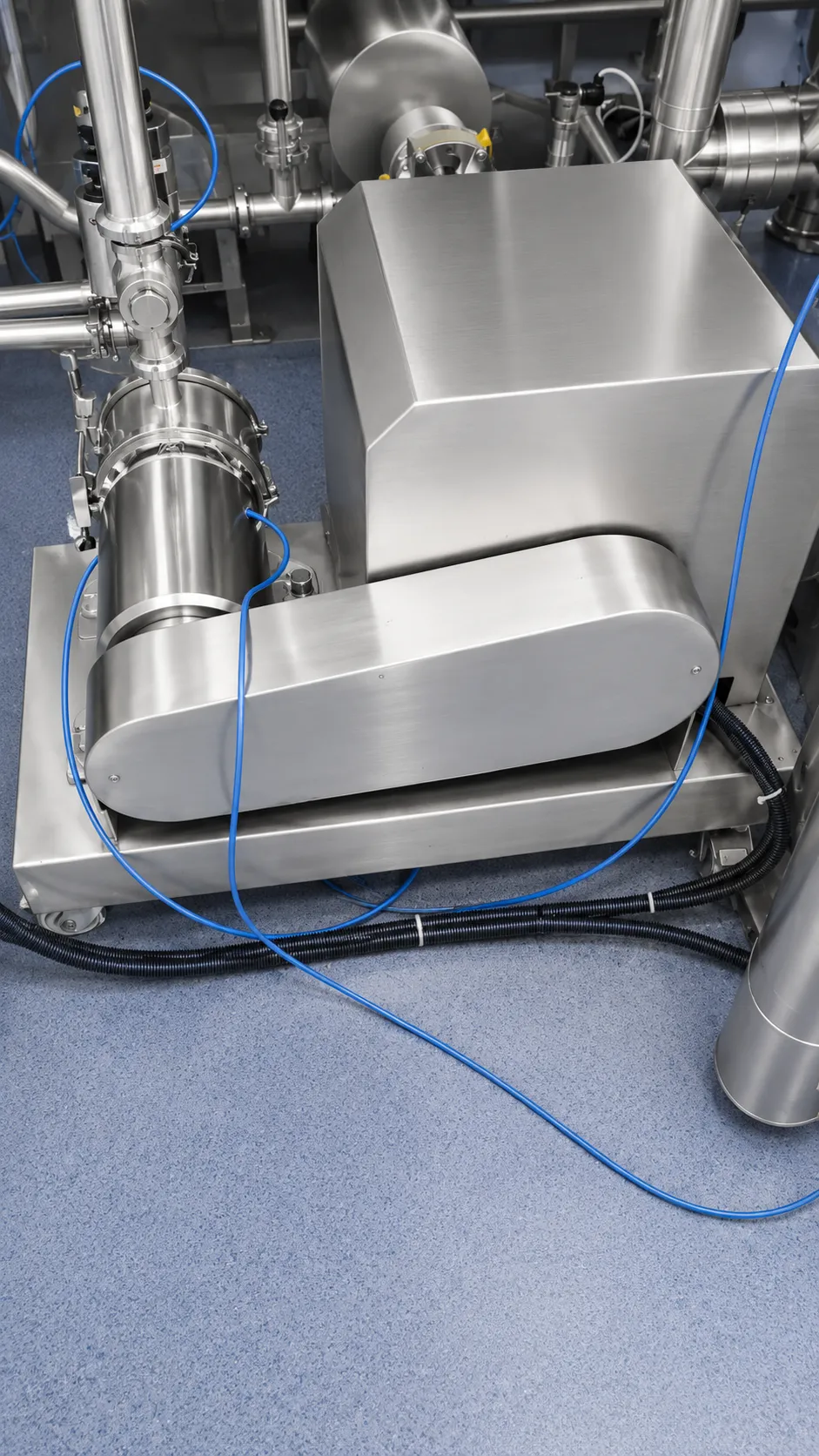
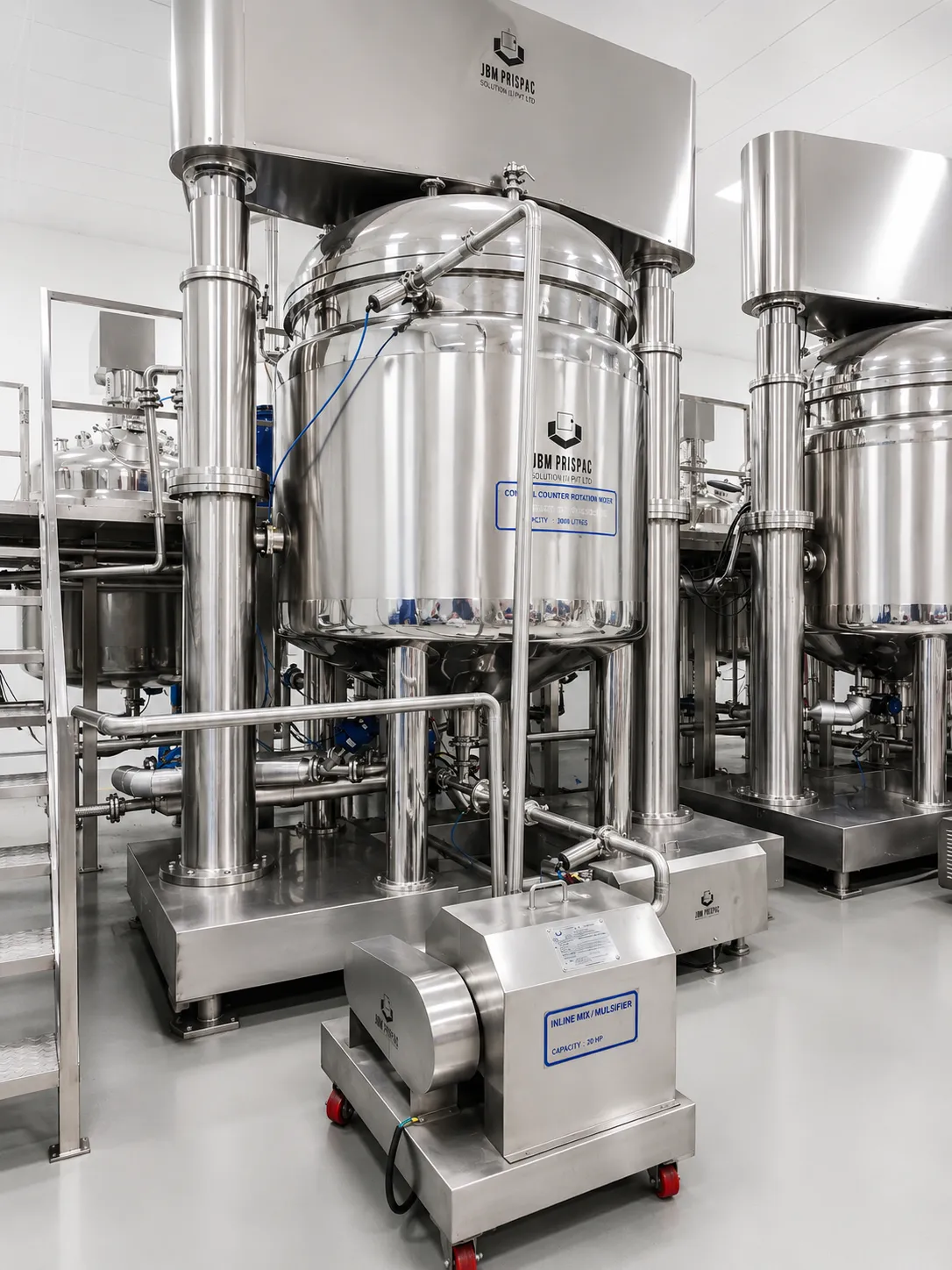
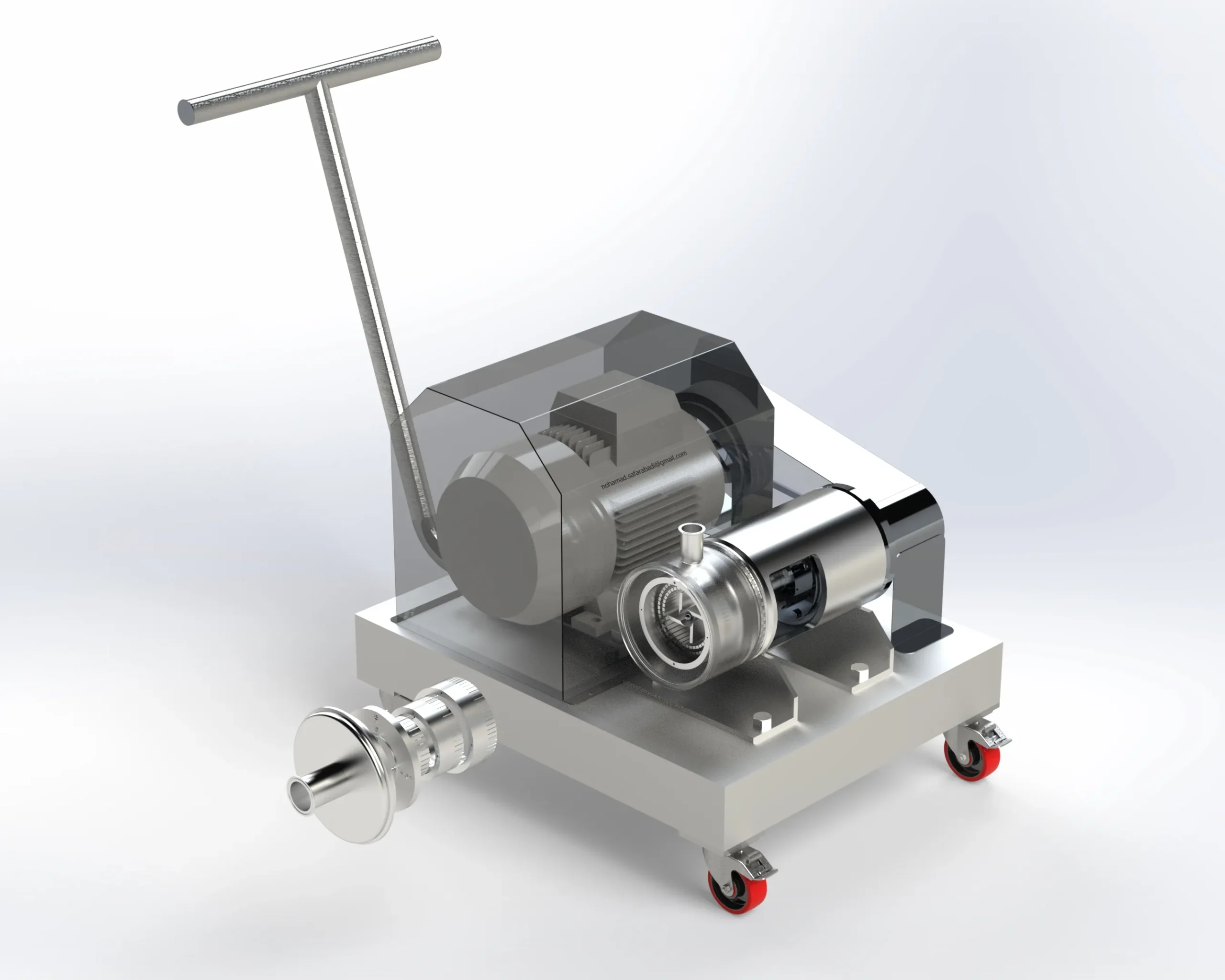
A sanitary inline homogeniser is a GMP-certified, 3-A and EHEDG-compliant rotor–stator system in electropolished SS 316L (Ra <0.8 µm internally, Ra <1.6 µm externally) with Tri-Clamp connections, CIP/SIP-validated design (121°C SIP, 10 bar), and self-draining dead-leg-free geometry — providing inline emulsification, dispersion, and homogenisation at 0.1–30 m³/h for pharmaceutical, dairy, and food GMP facilities requiring validated hygienic cleaning between every batch and full compliance with 21 CFR Part 110/211 and EU GMP Annex 1.
Product flows through a hygienic Tri-Clamp inlet directly into the rotor–stator workhead; all wetted surfaces are electropolished SS 316L with Ra <0.8 µm — no crevice, no dead-leg, full-bore drain geometry. The rotor (3,000–3,600 RPM) generates shear (10³–10⁵ s⁻¹) homogenising product in a single continuous pass. After processing, the unit CIPs in-place: NaOH 2% at 75°C for 20 min, followed by acid rinse and WFI flush — without workhead removal. SIP-validated models pass 121°C saturated steam for 30 minutes between batches. All operations are logged by the PLC for 21 CFR Part 11 electronic batch record compliance.
Challenges
Microbial Contamination Risk at Rotor Shaft Seal in Hygienic Service
Shaft seal crevice between stationary and rotating components is the primary biofilm risk point.
CIP Validation of Internal Rotor–Stator Gap Surfaces
Narrow rotor–stator gap (0.1–0.5 mm) restricts CIP flow velocity below minimum 1.5 m/s required.
Seal Material Compatibility with Multiple Product Types in Multi-Product Facility
EPDM seals swell in certain solvents; FKM seals fail in caustic CIP — compatibility matrix required.
Stagnant Zones at Inlet Nozzle Below Minimum Flow Rate
Below 10% of rated flow, product velocity at inlet creates quasi-stagnant dead zone.
Temperature Non-Uniformity During SIP Cycle
Thermal mass of rotor–stator housing delays internal surfaces reaching SIP validation temperature.
Solutions
- Magnetic Coupling Drive (Seal-Less Design) on Pharmaceutical Models: Magnetic coupling eliminates shaft seal entirely — zero crevice contamination; zero seal leakage.
- Bypass CIP Circuit Flushing Rotor–Stator Gap at 3 m/s (>Minimum Velocity): Dedicated CIP bypass valve forces cleaning solution through gap at validated velocity — documented.
- Full Seal Compatibility Matrix per Product and CIP Chemistry: Commissioning document lists validated seal grade per product family and CIP agent combination.
- Minimum Flow Interlock (Inline Flowmeter PLC Alarm <10% Rated Flow): Flow interlock prevents homogeniser start below minimum velocity — eliminates dead zone risk.
- SIP Thermocouple at Rotor Housing (Slowest-to-Heat Surface Qualification): Validated SIP cycle uses slowest-heating thermocouple as reference — all surfaces exceed 121°C.
Applications
- Pharmaceutical: Sterile liquid formulations, parenteral emulsions, oral suspensions — 21 CFR, EU GMP Annex 1 validated.
- Dairy: Pasteurised milk, cream, yogurt base, flavoured dairy — 3-A certified process compliance.
- Food & Beverage: Infant formula, nutritional beverages, heat-treated sauce, dressing — EHEDG validated.
- Biotechnology: Bioreactor feed preparation, buffer homogenisation, cell culture media mixing.
- Cosmetics: Premium serum, lotion, and cream emulsification requiring zero microbial contamination.
Models & Capacities
Type 4 — Sanitary Hygienic Inline Homogeniser 3-A EHEDG (50 L/h Lab to 400,000 L/h Large Production) | |||||||||||||
Model | Scale | Flow Rate [L/h] | Rotor Speed [RPM] | Tip Speed [m/s] | D90 [µm] | Motor [kW] | Surface Ra [µm] | Inlet/Outlet (Tri-Clamp) | Op. Temp [°C] | CIP / SIP | Certification | Weight [kg] |
|
IH-HYG-LAB-037 | Lab | 50–500 | 3,000–10,000 VFD | 7–28 | 0.5–50 | 0.55 | <0.8 | DN 15 TC | 2–120 | CIP + SIP 121°C | 3-A / EHEDG | 14 |
|
IH-HYG-PIL-075 | Pilot | 200–2,000 | 1,500–8,000 VFD | 8–25 | 0.5–80 | 0.75 | <0.8 | DN 25 TC | 2–120 | CIP + SIP 121°C | 3-A / EHEDG | 28 |
|
IH-HYG-PIL-150 | Pilot | 500–6,000 | 1,500–7,200 VFD | 9–28 | 0.5–100 | 1.5 | <0.8 | DN 32 TC | 2–120 | CIP + SIP 121°C | 3-A / EHEDG | 48 |
|
IH-HYG-PIL-220 | Pilot | 1,000–10,000 | 1,200–6,000 VFD | 10–28 | 0.5–100 | 2.2 | <0.8 | DN 40 TC | 2–120 | CIP + SIP 121°C | 3-A / EHEDG | 72 |
|
IH-HYG-P-040 | Production | 3,000–25,000 | 1,000–5,000 VFD | 10–25 | 0.5–150 | 4.0 | <0.8 | DN 50 TC | 2–135 | CIP + SIP 135°C | 3-A / EHEDG | 115 |
|
IH-HYG-P-075 | Production | 5,000–40,000 | 800–4,000 VFD | 10–25 | 0.5–150 | 7.5 | <0.8 | DN 65 TC | 2–135 | CIP + SIP 135°C | 3-A / EHEDG | 175 |
|
IH-HYG-P-110 | Production | 8,000–60,000 | 600–3,600 VFD | 10–25 | 0.5–200 | 11 | <0.8 | DN 80 TC | 2–135 | CIP + SIP 135°C | 3-A / EHEDG | 255 |
|
IH-HYG-P-150 | Production | 15,000–90,000 | 500–3,000 VFD | 10–23 | 0.5–200 | 15 | <0.8 | DN 100 TC | 2–135 | CIP + SIP 135°C | 3-A / EHEDG | 360 |
|
IH-HYG-LP-220 | Large Prod | 25,000–150,000 | 400–2,500 VFD | 10–22 | 0.5–300 | 22 | <0.8 | DN 125 TC | 2–135 | CIP + SIP 135°C | 3-A / EHEDG | 540 |
|
IH-HYG-LP-370 | Large Prod | 40,000–250,000 | 300–2,000 VFD | 10–20 | 0.5–300 | 37 | <0.8 | DN 150 TC | 2–135 | CIP + SIP 135°C | 3-A / EHEDG | 820 |
|
IH-HYG-LP-550 | Large Prod | 70,000–400,000 | 200–1,500 VFD | 10–18 | 1–500 | 55 | <0.8 | DN 200 TC | 2–135 | CIP + SIP 135°C | 3-A / EHEDG | 1,250 |
|